

Mark-to-market losses occur when an asset’s market value falls mark to market accounting below the most recently recorded value. These losses are typically unrealized and reported on financial statements to promote transparency. This gives investors, lenders, and financial regulators a better understanding of a company’s exposure to market risks. It also helps investors and management make more informed decisions about which assets to hold or sell within their portfolios.
- For hedge funds, mark to market is also an essential tool for performance evaluation.
- Mark to Market Accounting means recording the value of the balance sheet assets or liabilities at the current market value to provide a fair appraisal of the company’s financials.
- By recognizing the differences between these two accounting methods, financial professionals can make informed decisions, assess risk effectively, and better manage their organization’s overall financial health.
- If the value falls, Musk needs to make up the difference with cash by selling shares.
- The mark-to-market process is important in financial instruments as it helps investors value assets accurately and manage risk.
- So this is how mark to market in derivatives or financial derivatives works.
- Companies can face significant losses if the market value of their assets declines sharply.
Mark to Market Accounting, How It Works, and Its Pros and Cons
By regularly adjusting the value of their holdings to reflect real-time market conditions, investors can make more informed decisions and assess the true performance of their investments. For example, let’s say a trader holds a futures contract for oil at $70 per barrel. If, by the end of the trading day, the price of oil rises to $75 per barrel, the trader’s position would reflect an unrealized gain of $5 per barrel. The trader’s account would then be credited with the $5 per barrel increase. Conversely, if the price of oil falls to $65 per barrel, the trader would experience an unrealized loss, and their account would be debited by the $5 per barrel Certified Public Accountant decrease.
To add IBKR Traders’ Insight to your RSS Feed, please paste the following link into your reader:

Jeremias specializes in tax and business consulting with focus areas in real estate, professional service providers, medical practitioners, and eCommerce businesses. As a result of Anderson’s tax work with tens of thousands of successful investors including preparing over 100,000 investor tax returns, Toby has seen which strategies stand the test of time and which do not. He bases his opinions on personal experience and that of his clients and does not agree with most of what is taught by the so-called “gurus” of our time. Toby believes investors achieve the greatest success by focusing on tax advantages and purchasing cash-flow assets rather than trying to profit on short-term trends.
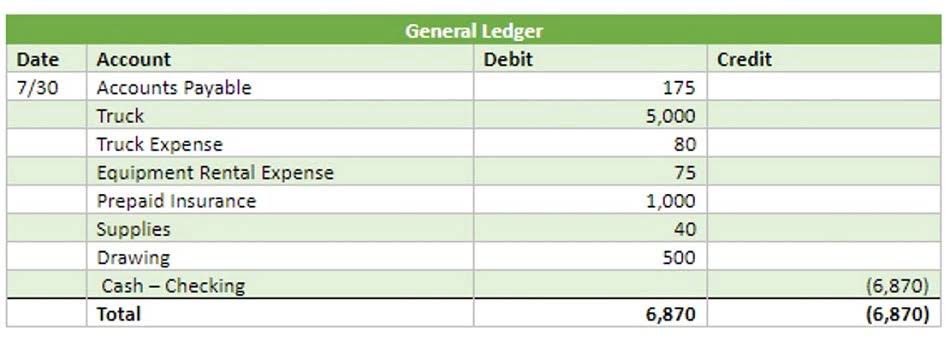
Mark to Market vs Historical Cost Accounting

MTM valuation is an essential element of the trading process for margined instruments like derivatives, and allows brokers to manage their risk. Most of the alternative methods of valuing an asset are subjective and prone to bias. When subjective valuation methods are used, they can be manipulated to suit various parties. By contrast, it’s more difficult to manipulate the closing price of liquid assets like large cap stocks.
- By valuing assets and liabilities at their current market prices, MTM provides investors, companies, and financial institutions with a clear and up-to-date understanding of their financial positions.
- This frequent assessment allows fund managers to make informed decisions quickly, adapting to market changes as they happen.
- One of the key implications of MTM accounting is that it can lead to increased volatility in financial statements, especially during periods of market turbulence.
- MTM provides real-time valuations, ensuring transparency in financial reporting.
- It can alert whether the current state of the company’s portfolio is good enough to justify investments or predict future performance and exposure to unfavorable market conditions.
- A derivative is a financial instrument whose value depends on or is derived from the value of another asset, known as the underlying asset.
By continuously updating the value of their assets, fund managers can identify potential risks and adjust their strategies accordingly. This proactive approach helps hedge funds mitigate losses and capitalize on opportunities, ensuring that they remain competitive in the market. Additionally, mark to market allows hedge funds to comply with regulatory requirements. For example, accurate asset Bookstime valuation is often a legal obligation for financial reporting.